November 24, 2026
The Hidden Advantages of Small-Scale Assisted Living for Senior Well-Being
By @dallasicqc350
Business Name: BeeHive Homes of Albuquerque West
Address: 6000 Whiteman Dr NW, Albuquerque, NM 87120
Phone: (505) 302-1919
BeeHive Homes of Albuquerque West
At BeeHive Homes of Albuquerque West, New Mexico, we provide exceptional assisted living in a warm, home-like environment. Residents enjoy private, spacious rooms with ADA-approved bathrooms, delicious home-cooked meals served three times daily, and the benefits of a small, close-knit community. Our compassionate staff offers personalized care and assistance with daily activities, always prioritizing dignity and well-being. With engaging activities that promote health and happiness, BeeHive Homes creates a place where residents truly feel at home. Schedule a tour today and experience the difference.
6000 Whiteman Dr NW, Albuquerque, NM 87120
Business Hours
Families often start their search for assisted living by visiting the large, hotel-like buildings they see from the highway. High ceilings, marble floorings, an activity calendar that looks like a cruise liner brochure. It can be excellent, and for some older grownups, it works extremely well.
Yet a number of the greatest outcomes I have actually seen in senior care took place in much smaller settings: 8 to 20 locals, a household-style cooking area, staff who understand each resident's strolling rate, sleep patterns, favorite breakfast, even the way they like their towels folded.
This quieter side of elderly care does not get as much marketing, however it can exceptionally shape lifestyle, specifically for elders who value familiarity, routine, and personal attention.
Small-scale assisted living is not the ideal answer for everybody, yet its benefits are frequently undervalued. Understanding those benefits assists families make decisions with more self-confidence, not just based upon appearance or facilities, however on how a place really feels and functions day after day.
What "Small-Scale" Assisted Living Actually Means
The term "small-scale" describes far more than the variety of licensed beds. It normally describes communities that look and operate more like a home than a center. That might imply:
A single-story house transformed into certified assisted living with 6 to 10 residents.
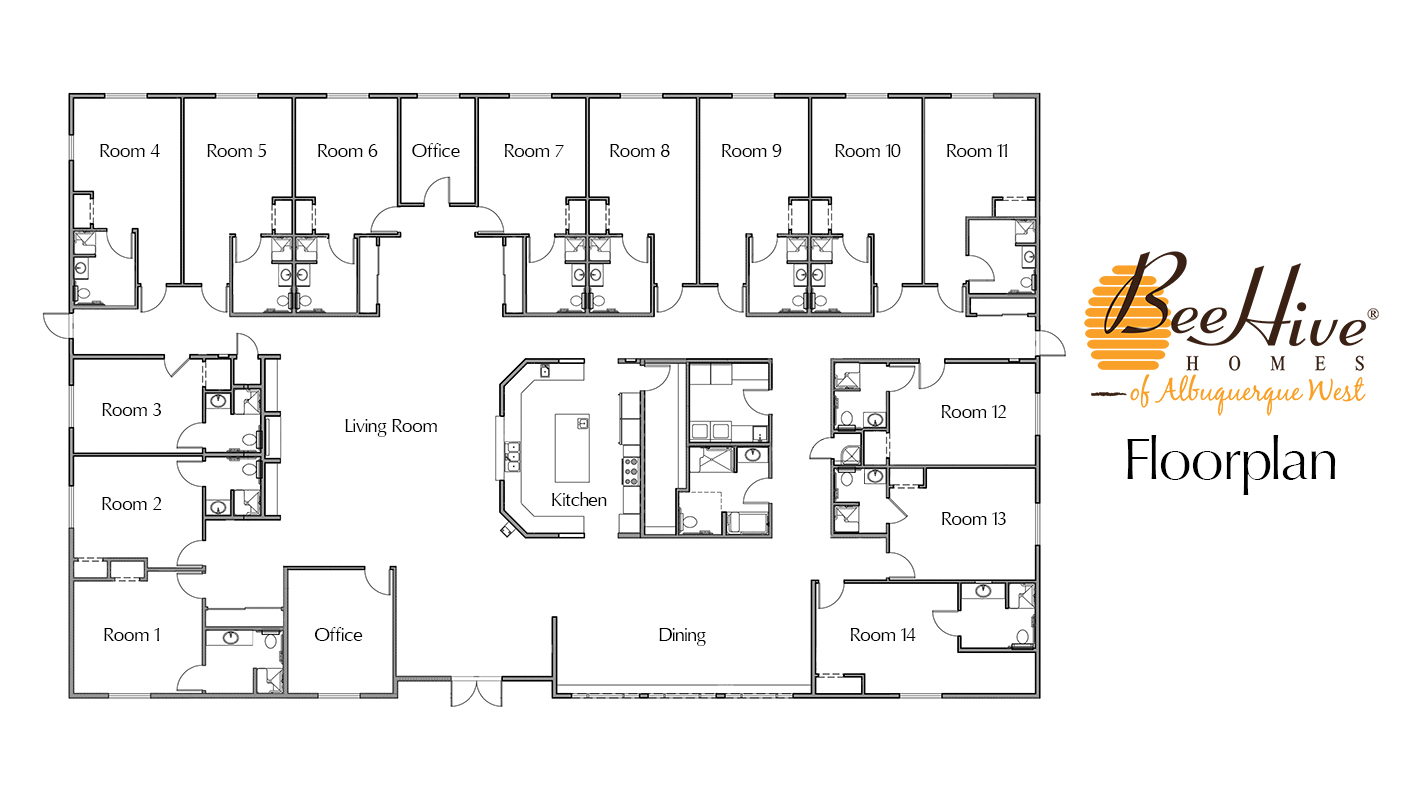
A small, purpose-built building with 12 to 20 suites, shared living areas, and an open kitchen. A cluster of a number of small homes on one campus, each with its own care team.The core idea is that residents live in a setting that feels individual and manageable, not like a hotel or a medical facility. Corridors are shorter, personnel rotations are smaller, and everyday routines are easier to customize. Family members frequently explain the difference as "knowing everyone" instead of "determining a system."
From a regulatory perspective, these homes satisfy the exact same safety and care requirements as bigger assisted living facilities. The distinction lies in scale, culture, and the day-to-day interactions between residents and staff.
Why Size Matters More Than Households Expect
When we discuss elderly care, we generally concentrate on services: medication help, aid with bathing, meals, transportation. All of that is necessary. However the size and layout of a neighborhood silently shape nearly whatever else that matters for well-being.
In smaller assisted living settings, several patterns appear once again and again.
Less overstimulation, more calm
Large neighborhoods can feel hectic and loud: paging statements, cleaning up devices, crowded dining rooms, numerous activities running at as soon as. Numerous residents enjoy that level of energy. Others, specifically those dealing with dementia, hearing loss, or stress and anxiety, find it exhausting.
In a small home, there might be one main typical location and a dining table that seats everybody. Discussions blend into a hum instead of a holler. For homeowners susceptible to agitation or confusion, this can imply fewer behavioral signs and a greater willingness to leave their space and take part in daily life.
I still recall one lady with advancing Alzheimer's disease who had actually been pacing and screaming in a 100-bed neighborhood. Personnel did their best, however the layout and constant activity appeared to activate her. Within a month of moving to a 10-resident home, her child informed us, "She still has bad days, however she sits at the table now. She in fact sees what is going on rather of hiding from it." Nothing about her diagnosis changed; the environment did.
Familiar faces rather of turning strangers
Senior care depends upon trust. A resident who trusts the person assisting them shower is most likely to accept help, which directly affects health, skin health, and fall risk. Trust establishes quicker when the same couple of caregivers communicate with a resident day after day.
In large facilities, staffing is often arranged by wing or floor, with frequent reassignments based upon staffing gaps. Night and weekend personnel may be completely various groups. Even well-run communities can have a hard time to preserve continuity.
In a small setting, there are simply less people to keep track of. Homeowners get utilized to "the morning individual" and "the night individual." Families understand who to call about a concern and can recognize when somebody brand-new joins the group. That continuity generally leads to earlier detection of subtle changes, like lowered appetite, slower walking, or unusual sleep patterns.
Over years of observing care teams, I have seen small-home caregivers detect concerns that may have gone undetected in other places: a resident who only hops at nights, or a quiet withdrawal that indicates the start of anxiety rather than "simply aging."
Shorter distances, much safer mobility
Distance matters when every step brings a fall danger. In a sprawling building, a resident might need to stroll quite far to reach the dining-room or activity location. Numerous decide it is simpler to stay in their room, particularly if they feel unsteady or embarrassed about utilizing a walker.
In small assisted living homes, all common spaces are generally within a brief, direct walk. The kitchen, living room, and dining table are often main and visible from many bedrooms. That design naturally encourages movement. Locals are most likely to join meals, remain in the living-room after consuming, and engage with staff and neighbors.
Indirectly, this decreases social isolation, which is a genuine chauffeur of cognitive decrease and mood disorders in older adults. A brief hallway can be the distinction in between "I will go see what smells so excellent in the cooking area" and "I will just stay in bed."
How Daily Life Feels Different in Small Homes
Families often ask, "However will there suffice for Mom to do?" They envision large-group bingo games and live music events. Those definitely have value. Small-scale assisted living, nevertheless, generally leans into a various type of engagement: normal, significant, repeatable.
Imagine a normal morning in a small home. A caretaker is cooking eggs in an open kitchen area, chatting with the 2 residents who always wake up early. Another resident wanders in, still in a robe, and sits down with a cup of coffee. Someone folds laundry at the table, more as a social activity than a chore. The television is off or quietly playing the news for those who care to listen.
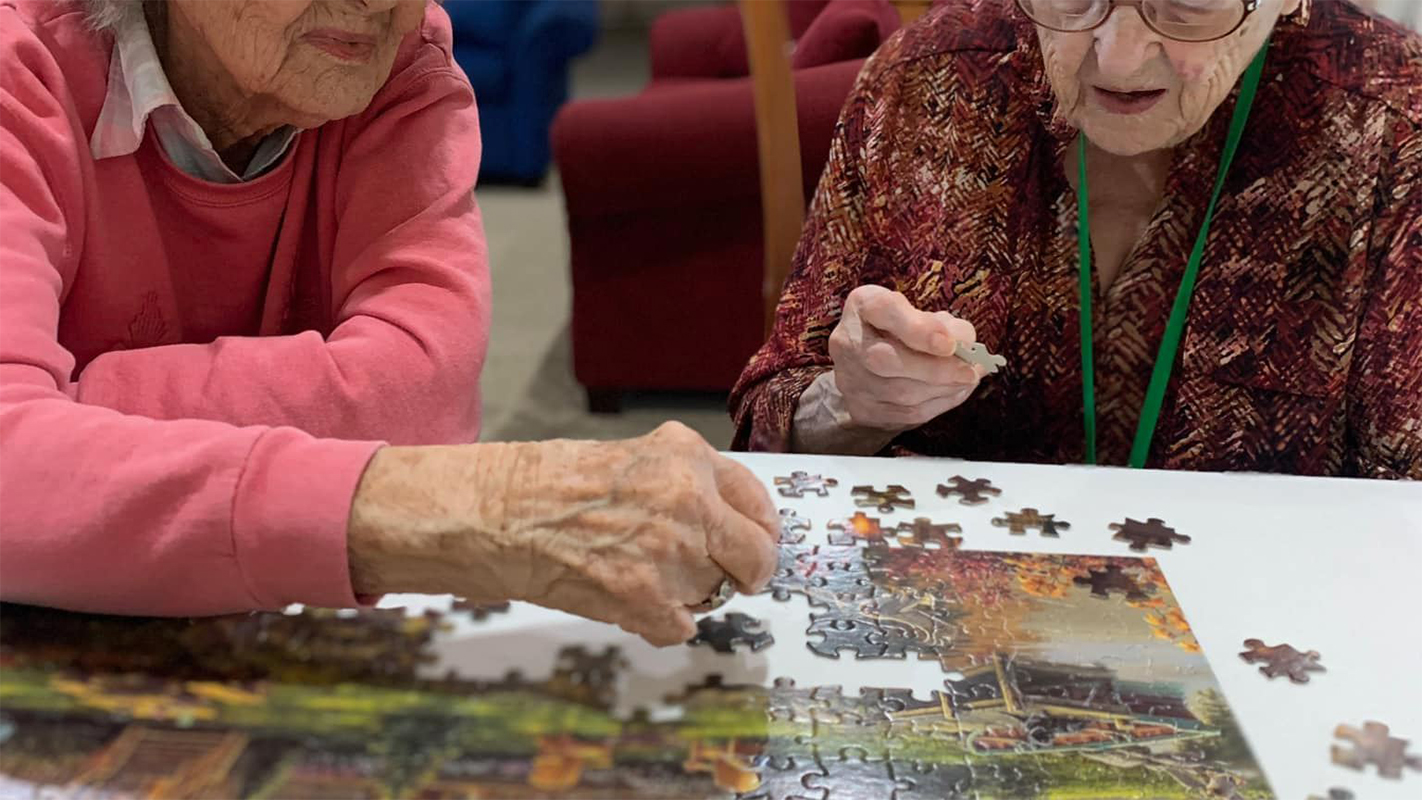
Activities in this sort of environment are typically woven into the material of the day instead of set up as occasions. Baking, gardening in a small lawn, easy card games, checking out the paper together, or arranging buttons for someone with mid-stage dementia who needs a tactile task. Involvement tends to be more natural: residents sign up with when they feel up to it, sometimes for 10 minutes, sometimes for an hour.
Large communities can, obviously, develop homelike regimens, and some do it extremely well. Nevertheless, small homes are structurally oriented around the kitchen table and living room. The "activity area" is the same location where people eat and talk. That familiarity makes it much easier for more reserved or baffled residents to roam in and out without seeming like they are intruding on a huge event.
The Subtle Health Advantages of Being Known
Good elderly care concentrates on more than preventing crises. It intends to discover small deviations before they end up being emergencies. Small-scale assisted living often has an edge here, just since personnel can observe everyone more closely.
When there are 10 to 15 citizens, the caregiving team normally knows:
Who normally consumes everything on their plate and who is a light eater.
Who takes afternoon naps and who rarely lies down during the day. Who showers in the early morning versus the night, and how they usually move while doing it.When something changes, it sticks out. A caretaker may notice that Mr. Z, who usually jokes with everybody, is suddenly quiet and skipping dessert. Or that Ms. J, who always strolls independently to the dining-room, now grabs hand rails more frequently. These cues typically precede urinary system infections, heart concerns, or medication negative effects by days.
Is this difficult in a bigger community? Not at all. Numerous bigger assisted living providers train staff to track and report changes thoroughly. But the ratio of citizens to personnel, combined with the large volume of people moving through the structure, makes that level of intimate familiarity harder to sustain consistently.
In a small neighborhood, a caregiver's psychological "map" of each resident is much easier to maintain and share throughout shift modifications. I have actually endured handoff conferences in small homes where personnel run down each resident in two or three minutes: consuming patterns, mood, bowel practices, mobility, and household updates. It is detailed, however it does not feel like a list, due to the fact that they are explaining individuals they know.
The Function of Respite Care in Small Settings
Respite care, whether for a few days or a couple of weeks, typically works as a trial run for long-lasting assisted living. Households use it when a primary caregiver needs surgery, rest, or just a break from extensive care. The quality of that brief stay can strongly affect future decisions.
Short-term visitors often adjust more quickly in small homes. The factors are useful and emotional:
There is less to learn. One front door, one primary living-room, one dining space.
Faces end up being familiar within a day or more. Both staff and homeowners quickly learn the beginner's name. Daily regimens are fluid enough to accommodate existing habits, like a later wake-up time or an afternoon television show.From the household's point of view, respite care in a small assisted living home can seem like leaving a loved one with very engaged relatives rather than with an institution. You can frequently speak straight with the individual who will be handling medications or monitoring showers, instead of routing every concern through a front desk.
Of course, capability is a restriction. Smaller companies may have less respite beds offered, particularly throughout peak times such as holidays. They likewise may need a minimum stay or have specific admission requirements, since adding even someone changes the dynamics of a very small household. Planning ahead is important.
Still, when respite care works out in a small setting, it can alleviate enormous stress. I have actually seen spouses who had actually resisted outside help for several years finally agree to routine respite stays after experiencing how their partner thrived in a small, predictable environment.
Family Participation and Communication
Families hardly ever choose an assisted living community based upon interaction practices, however they rapidly find out how vital those practices are. When you are not in the building every day, you depend completely on personnel to keep you informed.
Small-scale homes tend to provide more direct, casual interaction. You call, and the individual who answers the phone frequently understands your mother personally and can step far from the cooking area or living space to answer particular concerns. Households may receive texts or pictures from familiar caregivers. If you visit at random times, you normally see the very same core staff, not a constant rotation.
This is not guaranteed, obviously. Some small operators are disordered or understaffed, simply as some big facilities stand out at structured, proactive communication. However when small communities are run well, their size makes it much easier to keep individual contact. Issues hardly ever get lost in a complex chain of command.
Families likewise tend to feel more comfortable raising concerns in small settings. When you understand the administrator, nurse, and caretakers by name, it feels easier to state, "Mom looked a bit off on Tuesday, did you see anything?" or "Dad appears more puzzled after supper, can we evaluate his medications?" Excellent operators welcome this input. It typically results in earlier interventions and more fine-tuned care plans.
Trade-offs: Where Larger Communities May Have the Advantage
It is very important to be honest about the limitations of small assisted living. Bigger is not automatically much better, but it frequently includes resources that small homes can not match.
Larger assisted living communities might provide:
- More on-site amenities, such as gyms, chapels, beauty parlor, and numerous dining venues.
- A wider range of official activities, including trips, live entertainment, and specialized programs.
- Greater capability to serve residents who need greater levels of care, by using more specific personnel or on-site health providers.
- Transportation fleets for regular medical appointments, shopping trips, and group outings.
- More flexible room alternatives, from studios to two-bedroom houses with kitchenettes.
Families need to not presume, nevertheless, that their loved one needs every possible amenity. The crucial question is whether those resources will actually be utilized. A resident with sophisticated Parkinson's illness, who leaves their room primarily for meals and brief strolls, may benefit much more from a small, easily navigable environment and responsive caretakers than from a theater, a restaurant, and a daily excursions calendar.
For highly social, independent older adults, specifically those who drive or enjoy a packed schedule, a bigger setting may undoubtedly be a much better fit. The ideal match depends on personality, health status, and what "an excellent day" reasonably appears like now, not what it looked like 10 years ago.
When Small-Scale Assisted Living May Not Be Ideal
Some situations really require a bigger or more medically intensive environment.
If a senior has complex medical needs that brink on skilled nursing, such as ventilator support, complex injury care, or frequent IV treatments, a small assisted living setting might not be certified or geared up to manage them.
If an individual thrives on large-group activities, variety, and consistent novelty, the quieter rhythm of a small home may feel restricting. I keep in mind a retired instructor who liked lecturing, organizing groups, and carrying out. She attempted a small setting for a couple of months and felt restless. Moving to a bigger community with a resident council, choir, and active volunteer group matched her much better.
Cost can likewise be an element. Small homes sometimes charge greater rates per resident, because their staffing model is more intimate. On the other hand, some family-run homes are surprisingly cost effective, particularly in rural or suburbs. Costs differ drastically by region, ownership, and level of care.
Finally, small settings can be vulnerable to turnover. If two crucial employee leave at the very same time, the character of the place may shift more visibly than in a large facility with layers of management. Households must take note not only to the present group however to the stability of leadership and ownership.
How to Evaluate Small-Scale Options: A Practical Checklist
When you tour a smaller assisted living or respite care setting, you will likely observe immediately whether it feels comfortable or cramped, warm or messy. Beyond gut impulse, a couple of specific concerns can assist clarify whether the home can supplying strong, sustainable senior care.
Here is a concise checklist to bring with you:
- How many residents live here, and what is the normal staff-to-resident ratio on days, evenings, and nights?
- Who manages medical problems, and how do they interact with households about changes or emergencies?
- What sort of training do caretakers receive, particularly around dementia, fall avoidance, and medication assistance?
- How are meals prepared and prepared, and can they accommodate particular dietary needs or preferences?
- What happens if my loved one's care needs boost? Can they remain here, or would we require to move again?
Listen not only to the content of the responses, but also to the tone. Do staff speak about citizens as individuals or as classifications? Are they particular when they explain everyday regimens and care strategies, or do they depend on vague reassurances?
Pay special attention to how residents engage with each other and with personnel throughout your visit. A quick shared joke in the corridor, a caretaker discovering that someone's sweatshirt has actually slipped off their shoulder, a resident requesting for aid and getting it calmly within a minute or 2: these micro-moments state more about the quality of elderly care than any brochure.
Balancing Head and Heart in the Final Decision
Choosing assisted living, specifically for somebody you love deeply, is never ever simply a financial or logistical choice. It is a psychological settlement in between safety and autonomy, in between familiarity and required support.
Small-scale assisted living welcomes a specific kind of compromise. Your loved one may quit a personal kitchen and the privacy of a large structure, but gain an environment where their smallest practices matter and their absence from the table is seen within minutes. Relative might take a trip a little further or accept fewer amenities, in exchange for day-to-day intimacy and responsiveness.
The surprise benefit of these small homes is not just their size. It is the way scale shapes relationships: fewer individuals in the room, more opportunities to be seen and remembered, less range between the person who notifications a problem and the person who can assisted living in albuquerque new mexico BeeHive Homes of Albuquerque West repair it.
For families weighing alternatives, the most useful question is frequently this: "If my loved one had a bad day here - confused, unsteady, declining care - how would this specific team and layout affect what happens next?" In a small, well-run assisted living home, the response generally involves familiar faces, quick recognition of modification, and responses tailored to the individual, not the policy.
When that is the truth, many older grownups do not just live longer. They live better, in ways that are peaceful, quantifiable in small information, and deeply meaningful to those who understand them best.
BeeHive Homes of Albuquerque West provides assisted living care
BeeHive Homes of Albuquerque West provides memory care services
BeeHive Homes of Albuquerque West provides respite care services
BeeHive Homes of Albuquerque West offers support from professional caregivers
BeeHive Homes of Albuquerque West offers private bedrooms with private bathrooms
BeeHive Homes of Albuquerque West provides medication monitoring and documentation
BeeHive Homes of Albuquerque West serves dietitian-approved meals
BeeHive Homes of Albuquerque West provides housekeeping services
BeeHive Homes of Albuquerque West provides laundry services
BeeHive Homes of Albuquerque West offers community dining and social engagement activities
BeeHive Homes of Albuquerque West features life enrichment activities
BeeHive Homes of Albuquerque West supports personal care assistance during meals and daily routines
BeeHive Homes of Albuquerque West promotes frequent physical and mental exercise opportunities
BeeHive Homes of Albuquerque West provides a home-like residential environment
BeeHive Homes of Albuquerque West creates customized care plans as residents’ needs change
BeeHive Homes of Albuquerque West assesses individual resident care needs
BeeHive Homes of Albuquerque West accepts private pay and long-term care insurance
BeeHive Homes of Albuquerque West assists qualified veterans with Aid and Attendance benefits
BeeHive Homes of Albuquerque West encourages meaningful resident-to-staff relationships
BeeHive Homes of Albuquerque West delivers compassionate, attentive senior care focused on dignity and comfort
BeeHive Homes of Albuquerque West has a phone number of (505) 302-1919
BeeHive Homes of Albuquerque West has an address of 6000 Whiteman Dr NW, Albuquerque, NM 87120
BeeHive Homes of Albuquerque West has a website https://beehivehomes.com/locations/albuquerque-west/
BeeHive Homes of Albuquerque West has Google Maps listing https://maps.app.goo.gl/R1bEL8jYMtgheUH96
BeeHive Homes of Albuquerque West has Facebook page https://www.facebook.com/BeehiveABQW/
BeeHive Homes of Albuquerque West won Top Assisted Living Homes 2025
BeeHive Homes of Albuquerque West earned Best Customer Service Award 2024
BeeHive Homes of Albuquerque West placed 1st for Senior Living Communities 2025
People Also Ask about BeeHive Homes of Albuquerque West
What is BeeHive Homes of Albuquerque West monthly room rate?
Our base rate is $6,900 per month, but the rate each resident pays depends on the level of care that is needed. We do an initial evaluation for each potential resident to determine the level of care needed. The monthly rate is based on this evaluation. We also charge a one-time community fee of $2,000.
Can residents stay in BeeHive Homes of Albuquerque West until the end of their life?
Usually yes. There are exceptions, such as when there are safety issues with the resident, or they need 24 hour skilled nursing services.
Does Medicare or Medicaid pay for a stay at Bee Hive Homes?
Medicare pays for hospital and nursing home stays, but does not pay for assisted living as a covered benefit. Some assisted living facilities are Medicaid providers but we are not. We do accept private pay, long-term care insurance, and we can assist qualified Veterans with approval for the Aid and Attendance program.
Do we have a nurse on staff?
We do have a nurse on contract who is available as a resource to our staff but our residents' needs do not require a nurse on-site. We always have trained caregivers in the home and awake around the clock.
Do we allow pets at Bee Hive?
Yes, we allow small pets as long as the resident is able to care for them. State regulations require that we have evidence of current immunizations for any required shots.
Do we have a pharmacy that fills prescriptions?
We do have a relationship with an excellent pharmacy that is able to deliver to us and packages most medications in punch-cards, which improves storage and safety. We can work with any pharmacy you choose but do highly recommend our institutional pharmacy partner.
Do we offer medication administration?
Our caregivers are trained in assisting with medication administration. They assist the residents in getting the right medications at the right times, and we store all medications securely. In some situations we can assist a diabetic resident to self-administer insulin injections. We also have the services of a pharmacist for regular medication reviews to ensure our residents are getting the most appropriate medications for their needs.
Where is BeeHive Homes of Albuquerque West located?
BeeHive Homes of Albuquerque West is conveniently located at 6000 Whiteman Dr NW, Albuquerque, NM 87120. You can easily find directions on Google Maps or call at (505) 302-1919 Monday through Sunday 10am to 7pm
How can I contact BeeHive Homes of Albuquerque West?
You can contact BeeHive Homes of Albuquerque West by phone at: (505) 302-1919, visit their website at https://beehivehomes.com/locations/albuquerque-west, or connect on social media via Facebook
Take a short drive to Weck's which serves as a comfortable restaurant choice for seniors receiving assisted living or senior care during planned respite care outings.
❧